
Best Probiotics for Weight Loss: Nourish Your Gut Naturally
In today’s fast-paced world, many people seek quick weight-loss fixes through pills and supplements. But what if the real key to healthy weight management lies within you?
Inside your gut lives a diverse community of microorganisms, trillions of bacteria that play a vital role in digestion, metabolism and even body weight. Let’s explore how probiotics, especially from natural food sources, can help you achieve better gut health and support your weight-loss goals.
What Are Probiotics?
Probiotics are live, beneficial bacteria that naturally live in your gut. They help maintain a balanced microbiome, the ecosystem of microorganisms that keeps your digestive system and immune function strong.
When consumed through food, probiotics promote a healthier gut by reducing the number of harmful bacteria and improving digestion, nutrient absorption and metabolism.
You can get probiotics from:
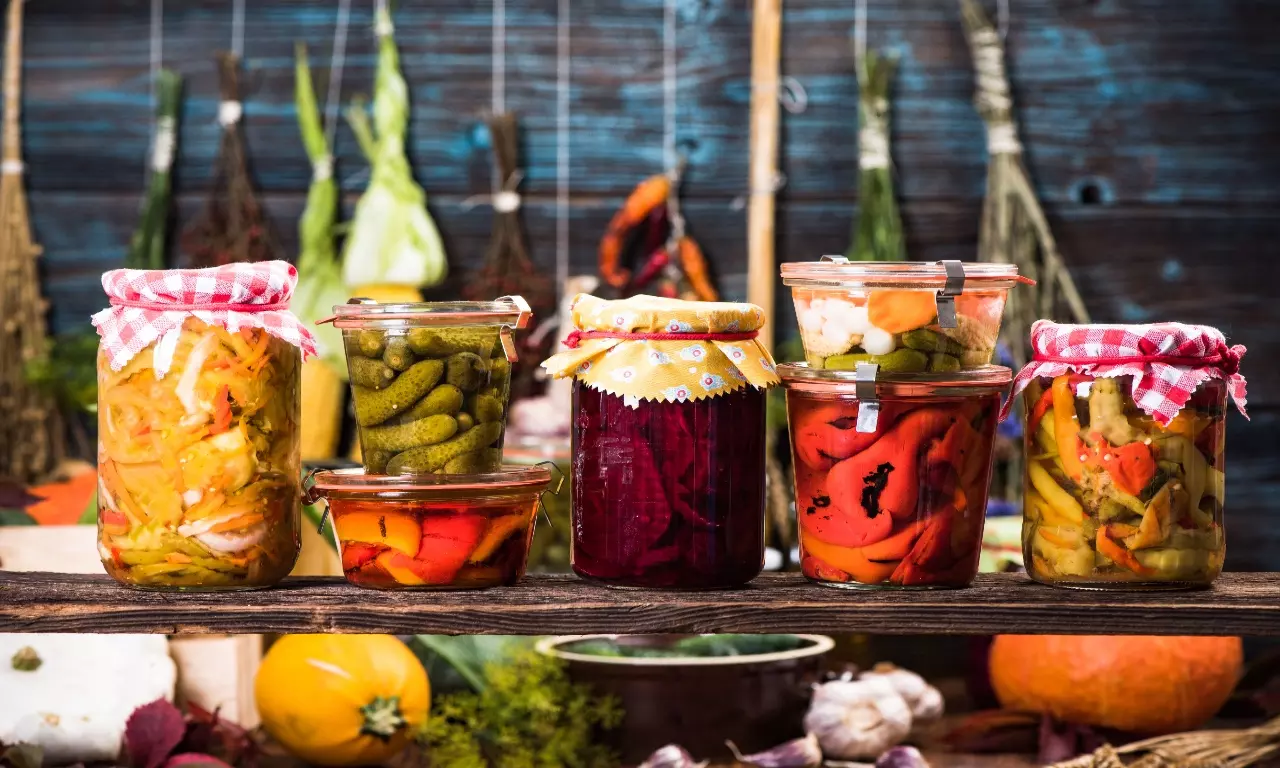
- Fermented Foods: Such as Greek yogurt, kefir, kimchi, sauerkraut, miso, tempeh and fermented pickles.
- Supplements: Available in capsules or powders, but whole foods are always a safer, more sustainable choice.
How Probiotics Help with Weight Loss
You might be surprised to know that the bacteria in your gut affect your weight and metabolism. Here’s how probiotic-rich foods support healthy weight management:
- Improved Digestion and Nutrient Use
A balanced gut microbiome helps break down food effectively, improving nutrient absorption and minimising bloating or discomfort. - Regulation of Hunger Hormones
Probiotics influence hormones like ghrelin (hunger hormone) and leptin (satiety hormone), helping you feel full for longer and reducing overeating. - Reduced Inflammation
Chronic inflammation in the gut can contribute to weight gain. Probiotics from fermented foods strengthen your gut lining and reduce inflammation, creating a healthier digestive environment.
Enhanced Metabolism and Blood Sugar Control
A healthy gut can improve insulin sensitivity and metabolism, supporting better energy balance and fat management.
Top Probiotic Foods for Natural Weight Management
Instead of relying on pills, fill your plate with foods that naturally boost probiotic levels. These delicious options not only support gut health but also contribute to sustainable weight control.
- Greek Yogurt: A versatile source of Lactobacillus cultures that aid digestion and promote fullness.
- Kefir: A fermented dairy drink with multiple probiotic strains that enhance nutrient absorption.
- Kimchi and Sauerkraut: Fermented vegetables packed with vitamins, fiber and good bacteria that support a healthy gut.
- Miso and Tempeh: Fermented soy-based foods rich in probiotics and plant-based protein.
- Fermented Pickles: A tasty, natural way to introduce beneficial bacteria into your meals, just ensure they’re made without vinegar.
Choose unsweetened, minimally processed options to get the full benefits of these probiotic foods.
Prebiotics: Feeding Your Good Bacteria
Probiotics need fuel to thrive and that’s where prebiotics come in. These are non-digestible fibers that act as food for good bacteria. Including both probiotics and prebiotics in your diet helps maintain a balanced gut.
Great prebiotic foods include:
- Bananas
- Garlic and onions
- Oats
- Asparagus
- Chicory root
This probiotic-prebiotic combination promotes long-term gut health, improved digestion and sustainable weight control.
Tips from a Nutritionist for Better Results
Probiotics alone won’t melt away fat; they work best as part of a balanced, holistic approach to health. Here are some expert-backed tips:
- Eat a Variety of Whole Foods: Combine probiotic-rich foods with fiber, lean proteins, fruits and vegetables.
- Stay Hydrated: Water helps the digestive system function efficiently.
- Limit Sugary “Probiotic” Drinks: Many commercial products are high in sugar and low in real benefits.
- Exercise Regularly: Movement supports metabolism and helps maintain a healthy gut.
- Prioritise Sleep and Stress Management: A calm mind supports a balanced gut microbiome.
Should You Take Probiotic Supplements?
While supplements can be helpful in certain cases, such as after antibiotic use or for specific digestive issues, they should never replace real food sources.
Most people can meet their probiotic needs through diet. However, if your doctor or dietitian recommends a supplement, choose one with multiple strains and proven quality.
Note: Always consult a healthcare professional before starting any probiotic supplement, particularly if you have an existing medical condition or are taking medication.