
Balance Your Hormones Naturally with the Right PCOD Diet
Living with PCOD (Polycystic Ovarian Disease) can feel frustrating for several reasons: the weight gain that just won’t budge, the irregular periods and the mood swings that show up uninvited. But what if the solution that you are looking for isn’t just another harsh, restrictive diet, but a PCOS meal plan that actually works with your body?
At Dt. Pratibha Mahajan’s Diet Clinic, one thing is clear: for PCOD, what you eat is your medicine. The right best diet plan for weight loss for females with PCOD doesn’t just help you shed stubborn kilos, it also helps balance your hormones, regulate periods and improve your mood and energy levels.
If you’re tired of contradicting recommendations, this is your easy, practical way to develop a PCOD food plan that promotes real results.
Why PCOD and Weight Gain Are Linked
Polycystic Ovarian Disease (PCOD) is a hormonal disorder where your ovaries overproduce male hormones, which can lead to irregular periods, acne, hair loss and weight gain. PCOD often causes insulin resistance, which impairs your body’s ability to regulate blood sugar levels. As a result, gaining weight is simple and losing weight is challenging.
Here’s when a PCOS meal plan can be useful. By choosing the right foods and balancing your meals, you can manage your weight, regulate insulin and even improve your cycles.
What Should a Good PCOD Diet Chart Include?
At Dt. Pratibha’s Diet Clinic, we consistently emphasise: a good PCOD diet is balanced, realistic and local. You don’t need expensive superfoods; your everyday kitchen ingredients can perform wonders.
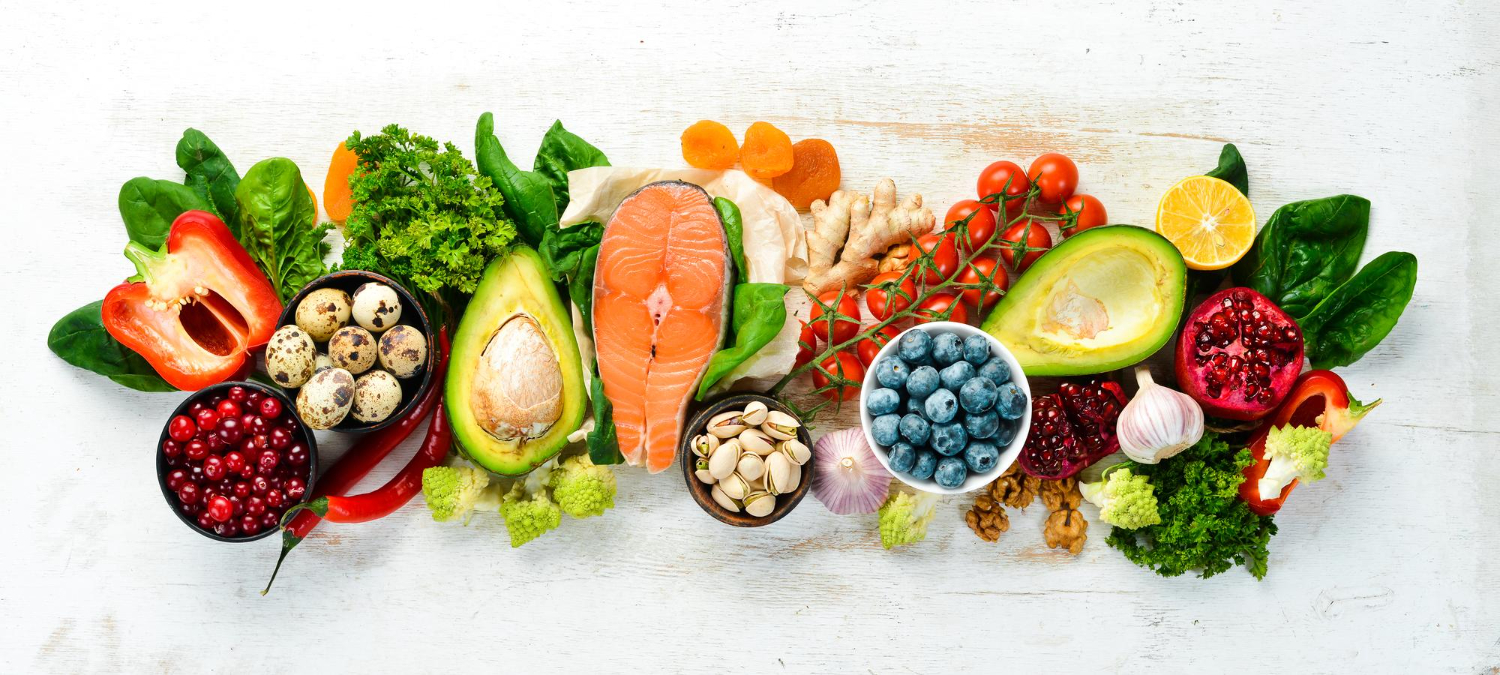
Here’s what to include in your PCOS meal plan :
- Foods High in Fibre: Fibre moderates blood sugar levels and slows down digestion. Incorporate a variety of veggies and whole grains such as quinoa, brown rice, oats and millets.
- Lean Proteins: Lean proteins help you control cravings and feel fuller for longer. Choose whatever you like: eggs, chicken, fish, dals, sprouts, paneer or tofu.
- Healthy Fats: Good fats help to balance hormones. Incorporate nuts, avocados, seeds (such as chia and flaxseeds) and use cold-pressed oils in moderation.
- Low-Glycemic Fruits: Berries, apples, pears and citrus fruits are examples of low-glycemic fruits that won’t raise your blood sugar levels.
- Plenty of Water: Hydration helps with cleansing and digestion.
Foods to Limit or Avoid in a PCOD Diet
Some foods make it harder to lose weight and make PCOD symptoms worse. Make an effort to limit:
- Refined Carbs: Pasta, white bread and baked goods rapidly raise blood sugar levels. Use whole grains instead.
- Sugary Drinks & Snacks: Sugary snacks and drinks raise insulin levels, which results in weight gain.
- Processed Foods: A lot of packaged snacks contain hidden sugars, salt and unhealthy fats.
- Excess Dairy: Dairy products can make acne and bloating worse for certain people. Pay attention to how your body responds and adapt as needed.
Dt. Pratibha Mahajan tailored these to your lifestyle, so you don’t feel confused or deprived.
Tips for Building the Best Diet Plan for Weight Loss for Females with PCOD
- Eat small, frequent meals to keep blood sugar levels steady and prevent overeating later.
- Prepare your meals in advance to help you steer clear of harmful, impulsive decisions.
- Meal skipping might lead to cravings and overeating in the future.
- Frequent exercise: A well-balanced PCOS diet plan can be enhanced by yoga, walking, dancing or light strength training.
- Be kind to oneself because weight loss with PCOD takes patience. Put consistency ahead of excellence.
How Dt. Pratibha Mahajan’s Diet Clinic Can Help
We have to admit that PCOD is not a syndrome that affects everyone. While some women experience weight gain, others have mood swings, bloating, acne or irregular periods. Your specific body type, lifestyle and symptoms should all be taken into account while customising your diet.
That’s exactly where Dt. Pratibha Mahajan’s Diet Clinic makes all the difference.
Here, you won’t discover a generic chart or one-time plan. Instead, Dt. Pratibha takes the time to examine your medical history, hormone reports, eating habits, lifestyle and even your emotional attachment to food. Weight loss is not the goal; long-term hormonal healing and lasting well-being are.
The support is truly tailored and includes everything from helping you plan your grocery list and manage your hormonal urges and helping you prepare work-friendly meals that are compatible with PCOS.
Whether you’ve eliminated entire food groups, switched diet fads or felt overwhelmed by conflicting advice on social media, it might be time to choose a strategy that works with your body rather than against it. At Dt. Pratibha Mahajan’s Diet Clinic, it’s not about eating less, it’s about eating right, in a way that feels good and works for you.
F.A.Q
Frequently Asked Questions
What is PCOD and how does diet affect it?
Can I lose weight with PCOD through diet alone?
What are the best foods to include in a PCOD diet chart?
Which foods should be avoided in a PCOD diet?
Can a PCOD diet help with irregular periods?
Of course! With the help of a balanced PCOS diet plan, insulin and hormone levels can be controlled over time to enhance cycle regularity.